


Prism for PTSD in Gainesville, FL
Prism is an FDA-cleared, non-invasive neurofeedback treatment designed to help people with PTSD practice regulating the brain circuits involved in fear, stress, and emotional reactivity. At Gainesville Psychiatry, Prism may be considered as part of a personalized care plan for patients whose trauma symptoms continue to affect daily life.
What Is Prism for PTSD?
Prism is a self-neuromodulation treatment that uses real-time brain activity feedback to help patients learn how to influence their own stress response.
Prism is not a replacement for a full psychiatric evaluation or an individualized treatment plan. Instead, it can be used as an advanced interventional option alongside ongoing psychiatric care, therapy coordination, and appropriate medication management when clinically indicated.
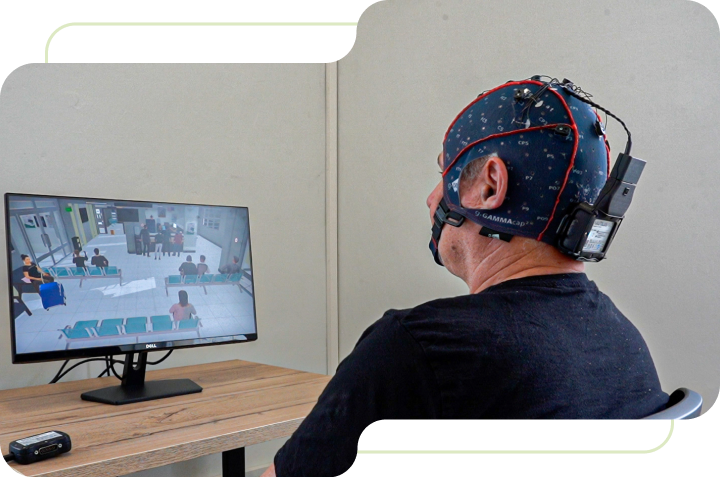
How Prism Neurofeedback Works
PTSD can keep the brain and body on high alert, even when the person is no longer in danger. Prism helps patients practice calming the stress-response system by turning brain activity into immediate visual feedback.

EEG sensors read brain activity from the scalp

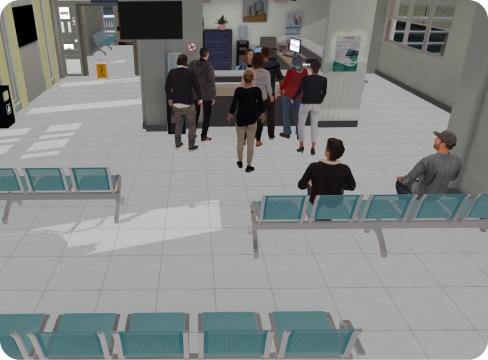
A computer-based visual experience responds in real time
Patients practice mental strategies that support calmer regulation

Progress is monitored across a series of sessions

Prism remains part of a broader, personalized psychiatric care plan
What to Expect During a Prism Session
A Prism session is structured, comfortable, and non-invasive. Your care team guides each step and monitors how the treatment fits your overall PTSD care plan.

Clinical Review
Your psychiatrist reviews your symptoms, diagnosis, treatment history, current medications, safety considerations, and goals to determine whether Prism is appropriate.

Comfortable Setup
You sit comfortably while a soft EEG cap is placed on your head. The sensors read brain activity from the scalp without needles, medication, or stimulation.

Guided Brain Training
You interact with a computer-based visual experience that responds to your real-time brain activity and helps you practice calmer self-regulation strategies.

Progress Over Time
Prism is typically completed over a series of sessions while your care team monitors symptom changes, comfort, and overall treatment progress.

Comprehensive Care Planning
Prism may be combined with therapy coordination, medication management, sleep support, safety planning, and ongoing psychiatric follow-up when clinically appropriate.

Who May Be a Candidate for Prism?
Prism may be considered for patients whose PTSD symptoms continue to affect daily life and who want a non-medication interventional option.

PTSD symptoms affecting sleep, mood, relationships, work, school, or daily functioning

Hypervigilance, intrusive memories, emotional reactivity, avoidance, or trauma-related anxiety

Interest in a non-invasive, drug-free treatment option

Limited improvement with therapy, medication, or standard care alone

Desire to practice concrete self-regulation skills in a structured clinical setting

Careful psychiatric evaluation before any advanced treatment recommendation
Potential Benefits of Prism for PTSD
Prism is designed to help patients build better control over the brain’s stress-response patterns. For appropriate candidates, potential benefits may include reduced PTSD symptom burden, better emotional regulation, improved stress resilience, less hypervigilance and reactivity, improved sleep quality for some patients, and a greater sense of control when symptoms are triggered. Clinical outcomes vary, and your psychiatrist will discuss realistic expectations before treatment begins.


Explore Prism for PTSD at Gainesville Psychiatry
Book an Appointment